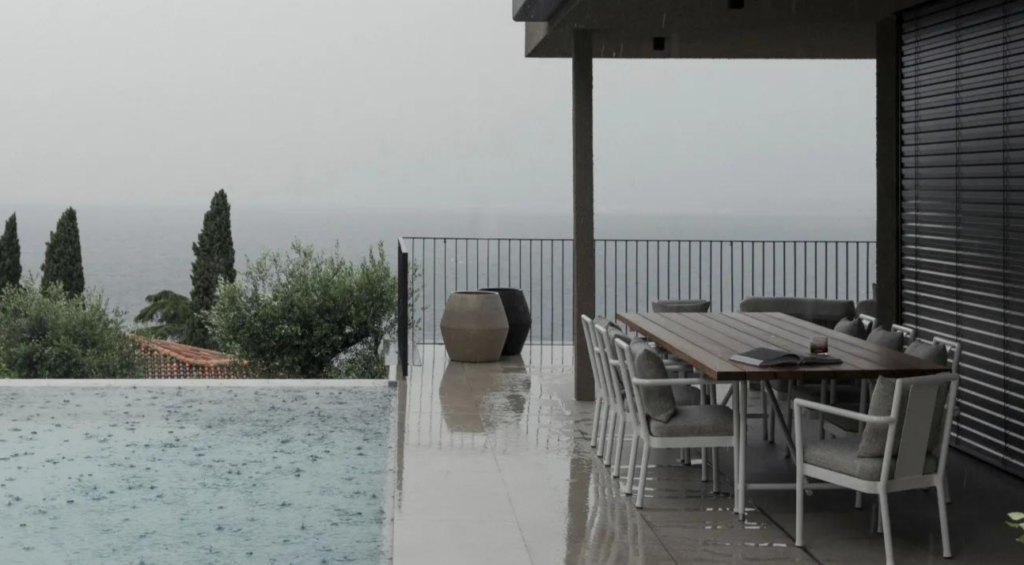
For property owners, understanding what happens if their home is damaged by severe weather is an important part of owning property in Spain. Knowing which insurance may apply, how to report the damage and where to seek compensation can make the process much easier to manage.
In Spain, responsibility for compensation will generally depend on the type of damage, the circumstances of the event and the insurance cover in place. In some cases, the claim will be handled by your home insurance provider, while damage caused by certain extraordinary natural events may fall under the Consorcio de Compensación de Seguros.
1. What Should You Do If Your Property Is Damaged by a Storm or Flood?
If your property is affected by heavy rain, strong winds or flooding, there are some practical steps you can take to document the damage and begin the insurance process.
The first step is to check that the property is safe to enter. If there is a risk to people or an immediate danger, follow the instructions of the emergency services. In Spain, the emergency number is 112.
Once it is safe to do so, we recommend that you:
- Take photographs and videos: Record the damage to the property, including walls, floors, windows, furniture and personal belongings.
- Contact your insurance company: Inform your insurer as soon as possible and ask how to proceed with the claim.
- Prevent further damage: Take reasonable measures to protect the property from additional damage, provided it is safe to do so.
- Keep receipts and documents: Retain invoices for any urgent repairs, cleaning or other expenses related to the incident.
- Keep damaged items where possible: Do not dispose of damaged belongings before the insurer or appointed assessor has had the opportunity to inspect them. If this is not possible, take photographs first.
Keeping a clear record of what happened and the measures taken will help when the damage is assessed.
2. Does Home Insurance Cover Storm and Flood Damage in Spain?
Home insurance in Spain can cover different types of damage caused by adverse weather, but the protection available depends on the policy and the circumstances of the incident.
It is important to distinguish between ordinary weather-related damage and damage caused by an extraordinary natural event.
Damage covered by your home insurance
Depending on the terms of your policy, your insurer may cover certain types of damage caused by heavy rainfall or strong winds. This may include damage to roofs, windows, walls or other parts of your property.
Your policy may also cover damage to furniture and personal belongings, as well as certain additional expenses.
However, cover is not automatic. Insurers may apply specific conditions, exclusions or minimum thresholds, so it is important to check the wording of your policy.
Damage caused by extraordinary flooding
In Spain, certain extraordinary natural events, including extraordinary flooding, may be covered by the Consorcio de Compensación de Seguros (CCS), a public institution that provides compensation for specific risks.
This means that, depending on the circumstances, compensation may be provided either by the private insurance company or directly by the Consorcio.
This distinction is important because not every situation in which water enters a property is considered extraordinary flooding. The cause and nature of the event will determine which cover may apply.
3. What Is the Consorcio de Compensación de Seguros?
The Consorcio de Compensación de Seguros (CCS) is a Spanish public institution responsible for providing compensation for certain extraordinary risks, including extraordinary flooding.
Its role is particularly relevant to homeowners because this protection is linked to eligible insurance policies taken out with private insurance companies.
In general, to qualify for compensation for material damage to a property, the owner must have an eligible insurance policy in force, with the relevant premium paid. The policy must cover certain types of property damage, such as fire, theft or a combined home insurance policy.
The Consorcio may cover damage to insured buildings and contents, subject to the applicable policy conditions and the assessment of the claim.
Depending on the cover included in the ordinary insurance policy, compensation may also be available for certain additional losses, such as the loss of rental income or the temporary uninhabitability of a property.
Does the Consorcio replace your home insurance?
No. The Consorcio does not replace your private home insurance. It provides additional protection for specific extraordinary risks under the conditions established by Spanish law.
For this reason, having suitable home insurance remains important for anyone who owns a property in Spain.
4. How Do You Claim Compensation for Flood Damage in Spain?
If your property has suffered damage that may be covered by the Consorcio, you can submit a claim directly to the institution.
Applications for material damage can be made online through the official Consorcio de Compensación de Seguros website or by telephone.
The Consorcio’s telephone service is available on 900 222 665, Monday to Friday, from 09:00 to 18:00. Assistance is also available in English and French.
When making a claim, you will generally need to provide:
- The name of your insurance company and your policy number.
- Your personal details and contact information.
- The address of the affected property.
- Your bank account details (IBAN) for payment of any compensation.
- Information about the damage and the incident.
After the application has been registered, the Consorcio will arrange for an assessor to contact you and inspect the damage.
It is advisable to submit the claim as soon as possible. The Spanish Insurance Contract Act establishes a general period of seven days for notifying an insurer of an incident, unless the policy provides a longer period. However, the Consorcio confirms that it will also accept applications submitted after those seven days.
During the assessment process, keep photographs, repair estimates, invoices and any relevant insurance documents. If urgent repairs are necessary before the assessor visits, document the damage beforehand and keep the corresponding invoices.
5. What If You Own a Property in Spain but Live Abroad?
For international property owners, dealing with an insurance claim from another country can require additional organisation. Arranging inspections, communicating with insurers and coordinating repairs may be more difficult if you cannot travel to Spain.
One option is to appoint someone you trust to represent you in Spain.
A Power of Attorney allows you to authorise another person to carry out specific actions on your behalf, within the powers granted in the document. Depending on its wording, this may help with administrative procedures and other matters related to managing your property.
This can be particularly useful if you live abroad and need someone to assist with practical arrangements while you deal with the situation from your home country.
6. How Can You Prepare Your Spanish Property for Severe Weather?
Although weather conditions cannot be controlled, regular property maintenance and suitable insurance can help homeowners manage unexpected situations more effectively.
Some practical measures include:
- Checking roofs, terraces and gutters periodically to ensure that rainwater can drain properly.
- Keeping outdoor drains and drainage areas clear.
- Checking windows, doors and other external fittings.
- Reviewing your home insurance policy to understand what is covered, including buildings, contents and any additional protection.
- Making sure you have your insurer’s contact details and policy documents readily available.
- If you do not live in Spain permanently, arranging for someone local to check the property from time to time can be helpful.
It is also useful to follow official weather information from the Spanish Meteorological Agency (AEMET), particularly when forecasts indicate heavy rainfall or strong winds.
Understanding Your Rights as a Property Owner in Spain
Owning a property in Spain involves understanding not only the purchase process and tax obligations, but also the practical and legal aspects of looking after your home.
If a storm or flood causes damage, knowing how your insurance works, whether the Consorcio de Compensación de Seguros may be involved and how to manage the claim can help you take the appropriate steps.
At Fuster & Associates, we advise international clients on legal matters relating to property ownership in Spain. If you need assistance with a property-related legal matter or would like to understand how a Power of Attorney can help you manage your property from abroad, contact our team.
We want to help you navigate all the legal complexities that come with your home buying in Spain, but this article is legal information and should not be seen as legal advice.
- View more post about: Fuster & Associates