
However, choosing where to buy is not simply a question of finding the cheapest property or the area with the highest rental demand. The right location will depend on factors such as the intended use of the property, budget, rental strategy, taxation, local regulations and long-term plans.
In this post, we look at some of the main areas that attract foreign property investors in Spain and the factors worth considering before making a purchase.
What Makes an Area Attractive to Foreign Property Investors?
Before looking at specific locations, it is important to understand that property investment in Spain can take many forms. Some buyers purchase a home primarily for personal use and rent it out when they are not using it, while others are looking specifically for a long-term rental investment.
Factors that may influence the choice of location include:
- Property prices and availability
- Demand from international and domestic tenants
- Tourism and seasonal demand
- Transport connections and infrastructure
- Local amenities and services
- Potential rental income
- Local property taxes and other ongoing costs
- Regulations affecting tourist rentals
- Resale prospects
- The buyer’s intended use of the property
For foreign investors, these factors should be considered alongside the legal and tax implications of owning property in Spain.
Main Areas for Foreign Property Investment in Spain
1. Costa del Sol
The Costa del Sol, particularly the province of Málaga, has a long-established international property market. Areas such as Marbella, Estepona, Fuengirola, Mijas and Málaga attract buyers from a wide range of countries.
The region offers a broad selection of properties, from apartments in established residential developments to villas and higher-value properties.

Its international population, tourism industry, infrastructure and year-round appeal make it relevant to both personal-use buyers and investors considering rental property.
However, conditions can vary considerably between municipalities. Property prices, rental demand and local regulations should therefore be assessed at a local level rather than treating the Costa del Sol as a single market.
2. Costa Blanca
The Costa Blanca is another major destination for international property buyers. Alicante, Jávea, Moraira, Torrevieja and Benidorm are among the locations that attract significant foreign interest.
One of the area’s characteristics is the variety of markets available. Buyers can find different property types and price points depending on the municipality and whether they are looking for a city property, a coastal apartment, a golf property or a larger home.
For investors, the intended rental strategy is particularly important. A property intended for long-term rental may require a different location and property type from one intended primarily for holiday use.

3. Murcia Region and the Costa Cálida
The Region of Murcia offers another option for international buyers, particularly along the Costa Cálida.
Areas such as Los Alcázares, La Manga, San Pedro del Pinatar and other coastal locations attract foreign buyers looking for residential and holiday properties. The region also offers golf developments and properties close to the Mediterranean.
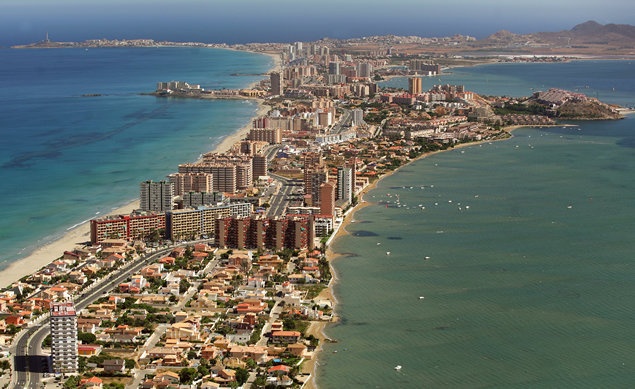
Compared with some of Spain’s more established international markets, certain areas of Murcia can offer different price points, making the region relevant to buyers with a range of budgets.
As with other parts of Spain, however, the investment potential of a property should not be assessed solely on its purchase price. Factors such as location, property condition, rental demand, local taxation and the intended use of the property should all be considered.
4. Valencia and the Costa de Valencia
Valencia offers a different investment profile from Spain’s traditional coastal resort markets.
The city has an established residential market, an international population and a strong connection to the wider European market. Buyers may consider both properties in Valencia itself and coastal locations in the surrounding province.
For investors, the distinction between urban and coastal property can be particularly important. A property aimed at long-term residential tenants may have different characteristics from one intended for seasonal or tourist use.

5. The Balearic Islands
The Balearic Islands, including Mallorca, Ibiza and Menorca, have long attracted international property buyers.
The islands offer strong international demand and an established premium property market. However, property prices and availability can differ significantly between locations.
Buyers considering the islands as an investment should pay particular attention to local regulations. Rules affecting tourist accommodation can be an important consideration where the investment strategy depends on short-term rentals.
The higher cost of acquiring property in some areas also means that investors should carefully calculate the total cost of the purchase and the ongoing expenses before proceeding.

6. Madrid
Foreign property investment in Spain is not limited to coastal areas.
Madrid has a large urban property market supported by its role as Spain’s capital and a major business and cultural centre.
International buyers may consider the city for residential property, particularly where the objective is to generate long-term rental income.
The investment profile is therefore different from that of a coastal holiday property. Location within the city becomes particularly important, with factors such as transport connections, employment centres, universities, services and neighbourhood demand potentially influencing rental prospects.

How Should You Choose the Right Area?
There is no single location that will be suitable for every foreign property investor.
The right choice will depend on what you want the property to achieve. For example, an investor looking for long-term rental income may have different priorities from someone purchasing a second home that will also be rented during part of the year.
Before choosing a location, it can be useful to consider:
Your investment objective
Are you looking for rental income, capital growth, a second home, or a combination of personal use and rental?
Your budget
The purchase price is only one part of the total cost. Buyers should also account for purchase taxes, legal fees, registration costs, mortgage costs where applicable and ongoing property expenses.
Your intended rental strategy
If you plan to rent the property, consider whether your strategy will involve long-term tenants or short-term tourist accommodation. The applicable rules can differ depending on the location and type of rental.
Your tax position
Foreign property owners may have tax obligations in Spain even when they are not Spanish tax residents. The applicable taxes will depend on factors such as the property, its use, rental income and the owner’s individual circumstances.
Your plans for the property
Think beyond the initial purchase. If you may eventually sell, transfer or leave the property to your heirs, these plans can also have legal and tax implications.
Legal and Tax Considerations for Foreign Property Investors
Buying property in Spain involves more than finding a suitable property and agreeing on a price.
Foreign buyers should carry out appropriate legal due diligence before committing to a purchase. This can include checking the property’s ownership, Land Registry information, charges, planning situation and any outstanding obligations.
The tax implications should also be considered from the beginning. Depending on the circumstances, a foreign property owner may need to deal with taxes relating to the acquisition, ownership, rental income, wealth or the eventual sale of the property.
Non-resident owners who rent out their property may also have Spanish tax reporting obligations in relation to their rental income.
Inheritance planning can be another important consideration, particularly for foreign owners who intend to keep their Spanish property for the long term.
Buying Property in Spain as a Foreign Investor
Spain offers a wide range of property markets, from major cities such as Madrid and Valencia to established coastal destinations including the Costa del Sol, Costa Blanca and Costa Cálida.
Rather than choosing an area based solely on its reputation or current property prices, foreign investors should consider how the location fits their investment objectives and personal circumstances.
At Fuster & Associates, we assist international clients with the legal and tax aspects of buying, owning, renting and selling property in Spain. Our team can help you understand the implications of a purchase before you commit to the transaction.
Contact Fuster & Associates to discuss your property investment in Spain.